We're reading the open models people actually download — in public
In one breathWhen we find something real in a model, its owner hears it first, in private — then the finding joins the public record.
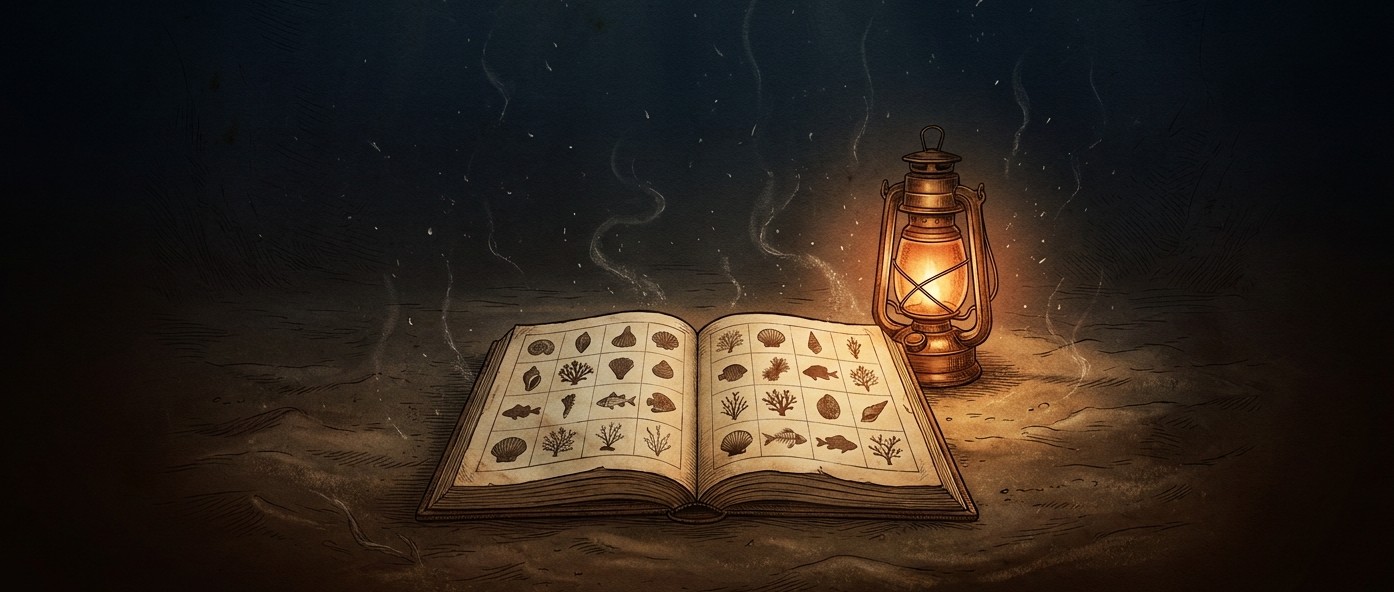
Most open models enter the world on a description page and are never read again. We're changing that the slow, honest way: reading the models people actually download, and mapping what they really are in a public library that grows as we go.
One rule sits above it: when we find something real, the model's owner hears it first, in private. Only then does the finding join the open record. Reading in public and disclosing in private aren't in tension — they're the same respect, pointed two ways.
<p class="vb-inline-cta">Watch the record grow → <a href="/record">The record</a>, or <a href="/journal">back to the journal</a></p>Provenance — verified in your browser
The bytes of this post were hashed in your browser and match the value bound to a public, dated commit. You did not have to trust us — you just re-checked.
- content hash
f03dc486dcf3…23948065sha256 of these bytes = signed content_sha256- git blob
26964595861f…18e0d50eequals `git hash-object` on the public file- signature
Ed25519 · key 1f9d…7cbVulcora signed this ledger entry- record
entry 16 · c74b8033ff…b3ffd9published 2026-07-27
Check it yourself, no code of ours required: git hash-object posts/home/reading-the-open-models-in-public.md in a clone of the public post repository must print the git blob above. This binding is tamper-evident, not tamper-proof — GitHub is a trusted third party, not a mathematical guarantee, and we would rather say so than imply something stronger.